In emergencies, every second counts. Whether it’s a sudden cardiac arrest, choking incident, or severe bleeding, immediate response can make the difference between life and death. Learning Cardiopulmonary Resuscitation (CPR) and first aid equips ordinary people with the knowledge and confidence to take action when it matters most. These essential skills not only save lives but also strengthen communities and foster a culture of safety.
1. Saving Lives in Critical Moments
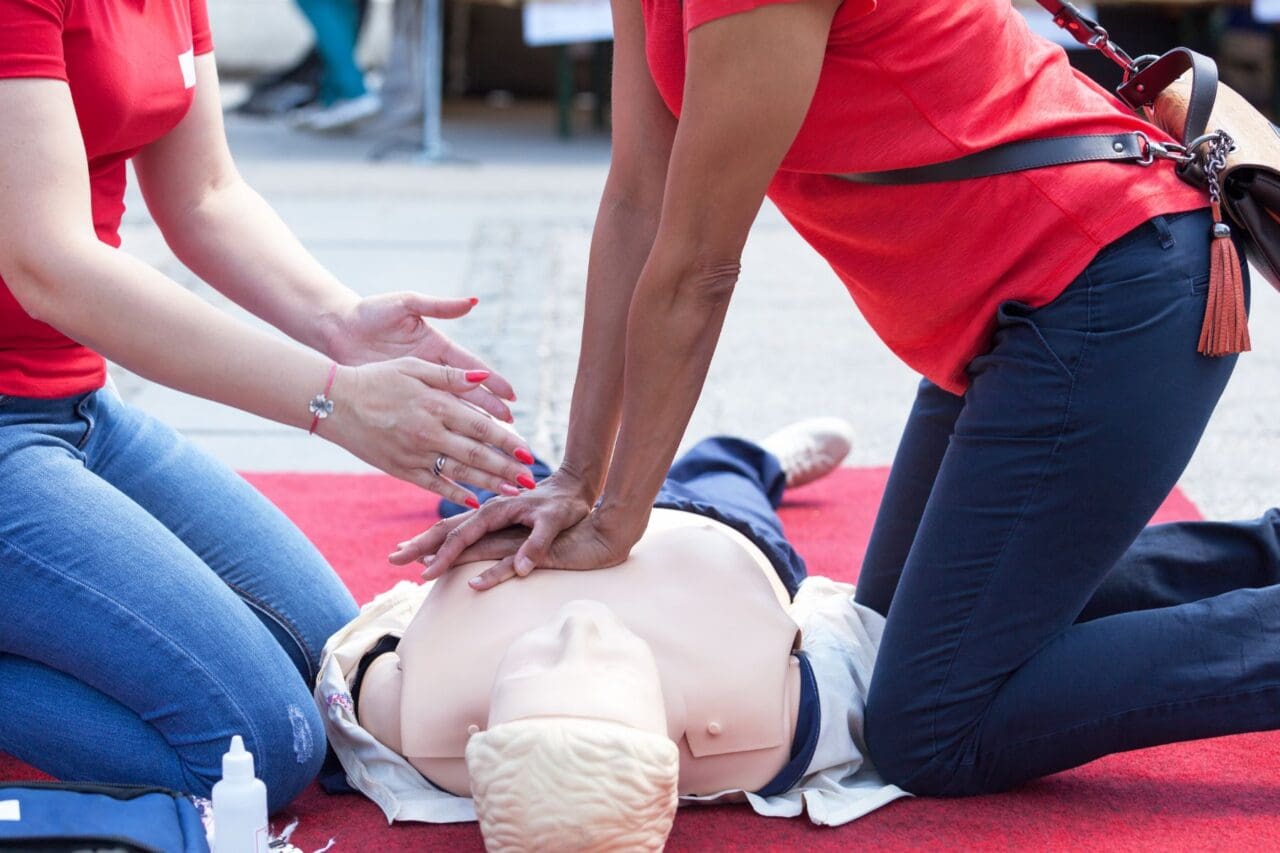
The most obvious and important benefit of CPR and first aid training is the ability to save lives. Cardiac arrest can strike anyone, anywhere, at any time. According to global health statistics, the chances of survival decrease by 7–10% for every minute that passes without CPR. A trained bystander can perform chest compressions and rescue breaths to keep oxygen flowing to the brain until professional help arrives. Similarly, first aid skills can control bleeding, manage burns, or stabilize fractures, preventing conditions from worsening before emergency services arrive.
2. Reducing Recovery Time and Complications
Quick and effective first aid can significantly reduce the severity of an injury or illness. For instance, properly cleaning and dressing a wound can prevent infection, while recognizing the signs of a stroke or heart attack can prompt faster medical intervention. These timely actions often lead to faster recovery, fewer complications, and shorter hospital stays.
3. Building Confidence and Preparedness
Emergencies often cause panic, but training in CPR and first aid helps individuals remain calm and act decisively. People who know what to do are less likely to freeze or make mistakes in stressful situations. This confidence extends beyond emergencies—trained individuals often become more safety-conscious and proactive in preventing accidents at home, work, or school.

4. Strengthening Communities
When more people in a community are trained in CPR and first aid, the overall level of safety increases. Workplaces, schools, and public spaces become more resilient in emergencies. Communities that invest in basic life-support training foster a culture of care and responsibility where everyone looks out for one another.
5. Valuable Life Skills for Everyone
Learning CPR and first aid is not limited to healthcare professionals. Parents, teachers, coaches, and even teenagers can benefit from these skills. They are valuable in everyday life—whether responding to a child’s injury on the playground, helping a co-worker during a health crisis, or assisting a stranger on the street.
Learning CPR and first aid is more than a certification—it’s an act of empowerment and compassion. It transforms bystanders into potential lifesavers, promotes safety awareness, and strengthens communities. Emergencies are unpredictable, but with proper training, you can be prepared to make a difference when it matters most. After all, the life you save could be that of a loved one.
Cornerstone Clubs offers an American Red Cross blended CPR and First Aid Training Class, which provides instruction on the skills you need to help adults, children, and infants during breathing and cardiac emergencies. Learn CPR, AED, choking and basic first aid. For more information, click here.