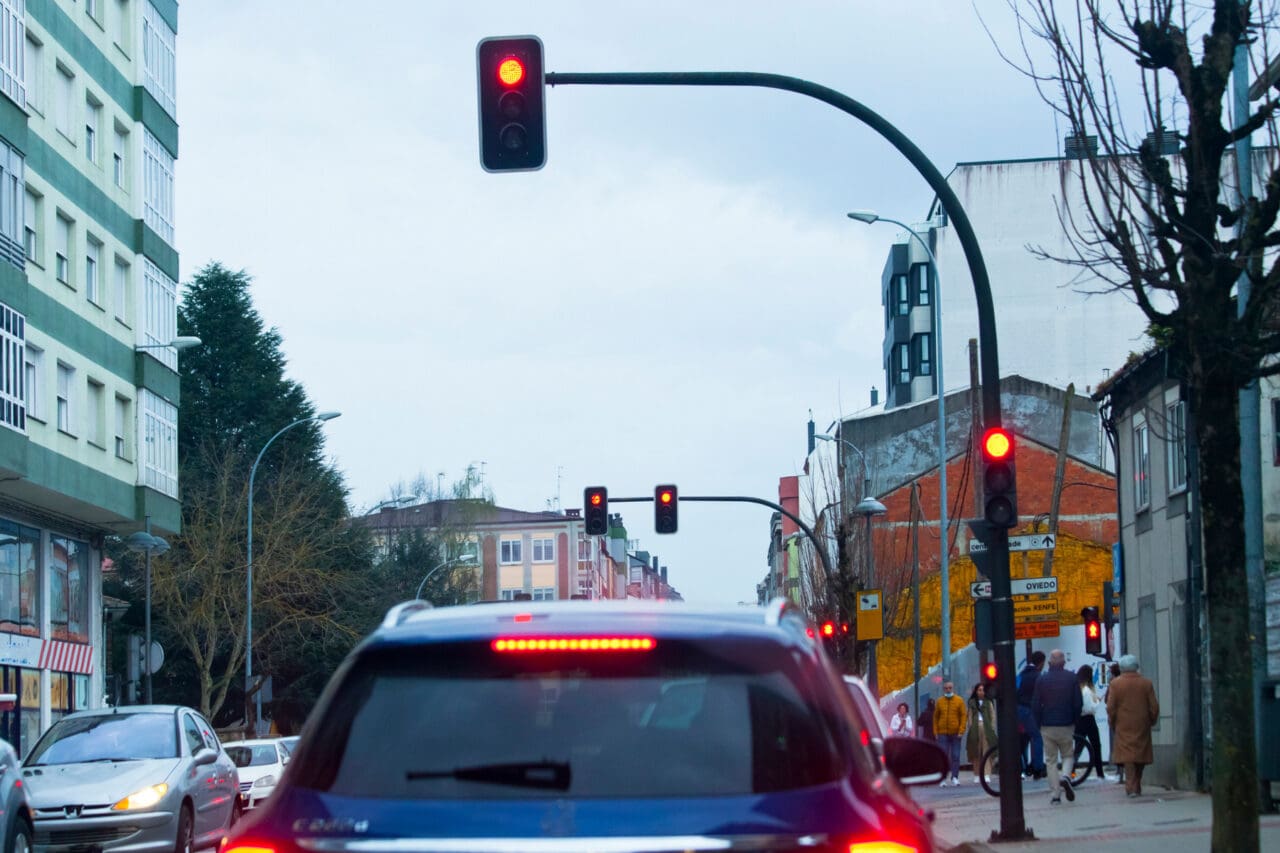
Have you ever been in a newer car that shuts itself off while sitting at a traffic light?
The first time it happened to me, I remember thinking, Wait…why did it turn off?
I wasn’t really concerned. The car started right back up when it was time to move.
But I still wondered.
We’re only sitting here for maybe thirty seconds. Does turning off the engine really save enough gas to matter?
And wouldn’t repeatedly shutting it down and restarting it create more wear and tear than simply letting it idle?
Maybe you’ve wondered the same thing.
It’s come up in conversations more than once. Someone questions whether the feature accomplishes much. Someone else says their car does it, but they turn it off.
And someone else has simply gotten used to it.
For all the times I’d wondered about it, I’d never actually looked it up.
Until now.
It turns out that cars with this feature are designed to handle all those additional starts. And even during relatively short stops, shutting off the engine can save fuel that would otherwise be used while idling.
That answered my question about the car.
But it also got me wondering why stopping seemed less trustworthy than continuing to run.
Maybe it’s because an engine we can hear sounds as though it’s doing something. When it stops, nothing appears to be happening.
Our bodies make adjustments throughout the day too.
Speed something up. Slow something down. Use energy here. Conserve it there. Work for a while. Recover for a while.
Most of it happens without consulting us, which may be just as well. We’d probably have a few questions.
We tend to notice what our bodies are doing when we can see or feel the activity. A faster heartbeat. A deeper breath. Muscles working.
It may be harder to appreciate what’s happening when the change feels more like slowing down or pausing.
The car at the red light hadn’t stopped responding.
Stopping was the response.
Maybe stopping and doing nothing aren’t always the same thing.
About Our Body’s Story: We’re excited to introduce The Body’s Story, a weekly series from Cornerstone Clubs. Through reflective, story-driven posts, we explore how your body responds to movement, rest, stress, and daily habits—and what you can learn when you pause long enough to listen.