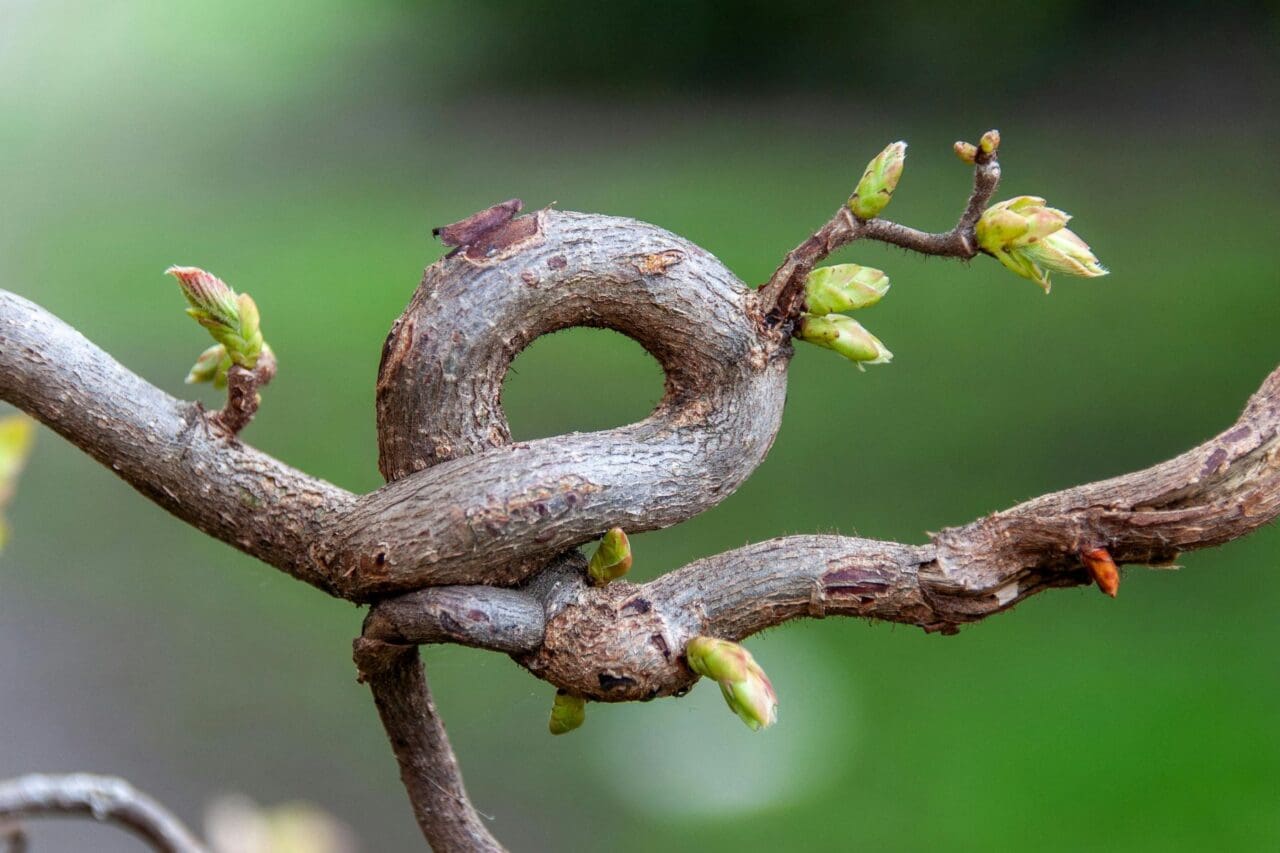
Something interesting has been happening lately.
A few days ago we had a stretch of beautiful weather. Warmer air. Sunshine. People were outside again. Conversations everywhere seemed to start the same way:
“It feels so good to see the sun.”
Then the weather shifted.
Cooler. Damp. Gray skies.
Almost immediately you could hear the change in people’s voices.
“It was so nice the other day…”
It’s as though we were briefly teased by spring, and then pulled right back into winter.
But if you step back for a moment, something important becomes clear.
The weather may change from day to day.
But the season is still changing.
The days are getting longer.
The sun is rising earlier.
Even when the skies are gray, spring is quietly moving closer.
Our bodies respond to these signals.
More daylight often brings a little more energy. Natural light helps regulate sleep. Warmer days make movement feel easier.
In many ways, this is part of the body’s story.
But it also raises an interesting question.
Why do we sometimes let a single cloudy day shape our mood when the larger direction is clearly improving?
Perhaps it’s simply human nature. We react to what is right in front of us.
Yet the body responds best when we learn to notice something deeper.
Not just today’s weather-but the direction things are moving.
Because in many ways, the body responds best when we move with life instead of constantly reacting to it.
Spring reminds us of that.
Some things we cannot control.
But we can choose what we notice.
And when we begin noticing the signals that things are improving-a little more daylight, a little more movement, a little more energy-something interesting happens.
We begin moving in that direction too.
Small decisions.
And as we continue noticing these small signals in the weeks ahead…
your body will notice too.
About Our Body’s Story: We’re excited to introduce The Body’s Story, a weekly series from Cornerstone Clubs. Through reflective, story-driven posts, we explore how your body responds to movement, rest, stress, and daily habits—and what you can learn when you pause long enough to listen.