
Strengthen, Stretch, and Stay Pain-Free
Back pain is one of the most common health complaints among adults, but the good news is that it’s often preventable. Whether you’re sitting at a desk all day, doing repetitive tasks, or just dealing with the natural wear and tear of life, incorporating specific exercises into your weekly routine can help keep your spine healthy and strong.
Here are some of the best preventative exercises to support your back and reduce your risk of injury or chronic discomfort.
Pelvic Tilts
Pelvic tilts help activate your core muscles and promote better posture.
- How to do it: Lie on your back with knees bent. Gently tilt your pelvis upward, flattening your back against the floor. Hold for 5 seconds and release.
- Repeat: 10–15 times

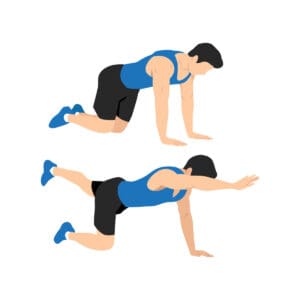
Bird Dog
This exercise improves core stability and strengthens the muscles that support the spine.
- How to do it: On hands and knees, extend your right arm and left leg at the same time. Hold for a few seconds, then switch sides.
- Repeat: 10–12 reps on each side
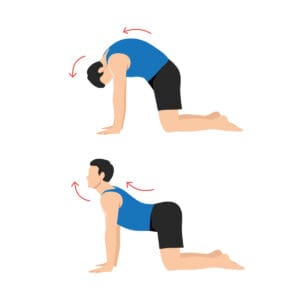
Cat-Cow Stretch
A gentle spinal mobility movement that promotes flexibility and relieves stiffness.
- How to do it: On all fours, alternate between arching your back (cow) and rounding it (cat). Move slowly and with control.
- Repeat: 10–15 times
Glute Bridges
Strong glutes support your lower back and hips, reducing strain.
- How to do it: Lie on your back with feet flat and knees bent. Lift your hips until your shoulders, hips, and knees form a straight line. Squeeze your glutes, then lower.
- Repeat: 12–15 reps

Wall Angels
Great for posture and upper back mobility—especially helpful if you sit a lot.
- How to do it: Stand with your back against a wall, arms bent in a “goal post” position. Slowly raise and lower your arms, keeping contact with the wall.
- Repeat: 10–12 times

Tips For a Healthy Back
- Stay Active: Regular movement throughout the day reduces stiffness.
- Strengthen Your Core: A strong core supports your spine.
- Mind Your Posture: Sit and stand tall—your back will thank you!
- Stretch Regularly: Especially your hamstrings, hip flexors, and lower back.
Final Thoughts
Back pain doesn’t have to be a part of your daily life. With a few simple preventative exercises and a consistent routine, you can strengthen your body, increase flexibility, and protect your spine for the long haul. As always, consult with a fitness or medical professional before starting a new exercise regimen, especially if you’re currently experiencing back discomfort.